
Fun evening at the high school seeing the theater kids do an adaptation of Dracula. I think they were having fun doing something a little creepy. Audience was having fun, too.
Hi, I'm Chris.
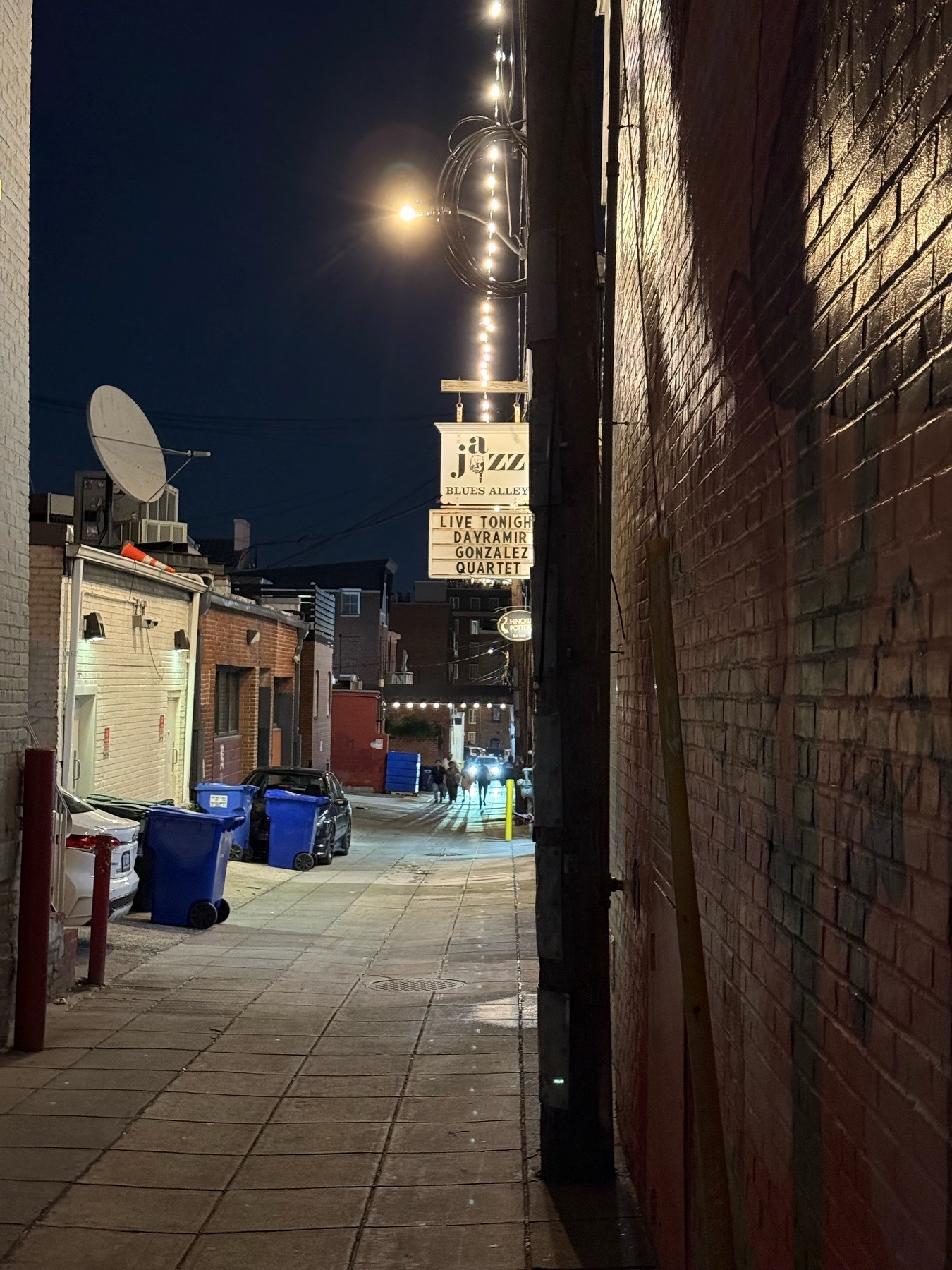
Blink and you’ll miss this legendary spot…
I almost missed it on my trip to DC this week, but if you turn down the right little alley on Georgetown you see this sign and find a legendary jazz club: Blues Alley.
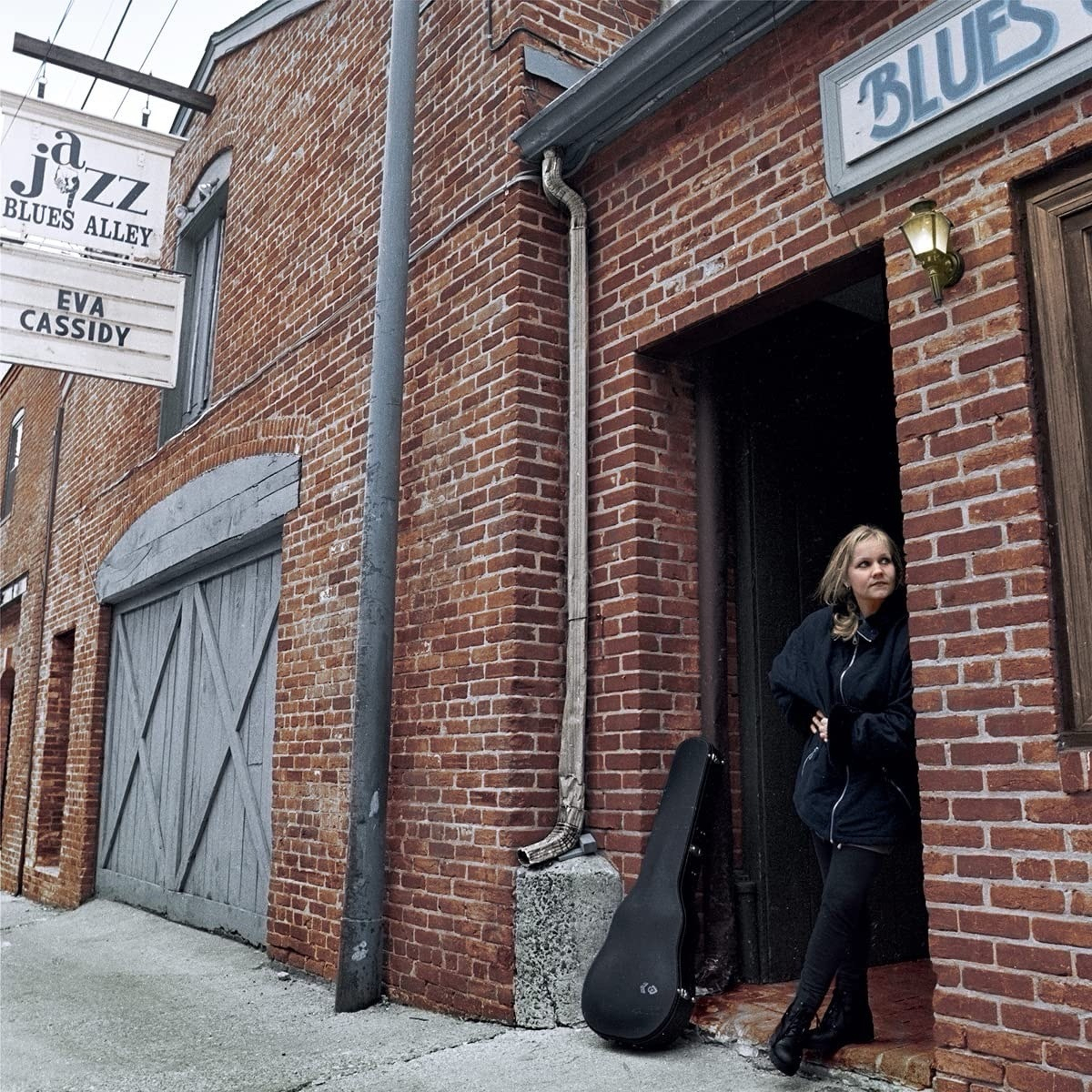
While I didn’t get to a show there this week, this unassuming little club hosted the recording of one my my favorite live records of all time: Eva Cassidy’s Live at Blues Alley.
Much like when I visited the Blue Note in New York a few years ago, this little swing past Blues Alley had me marveling at the rich history of live music that has come out of some very unimpressive places.
Oh, and if you’ve never heard that album, go give it a spin. Eva’s voice defies description. We lost her way too soon.
More recent longform writing...
- Blink and you’ll miss this legendary spot…
- My Podcast Experiment
- A more curious response
- Dan Foster on Christian Universalism
- To simply be that part of the world already changed by Christ...
- A Dilemma: the damage and benefit of formative experiences
- Highly recommended: Amy Grant on Norah Jones' podcast
- Six years out of evangelicalism
- A Little More on Reconstruction
- Reconstructing